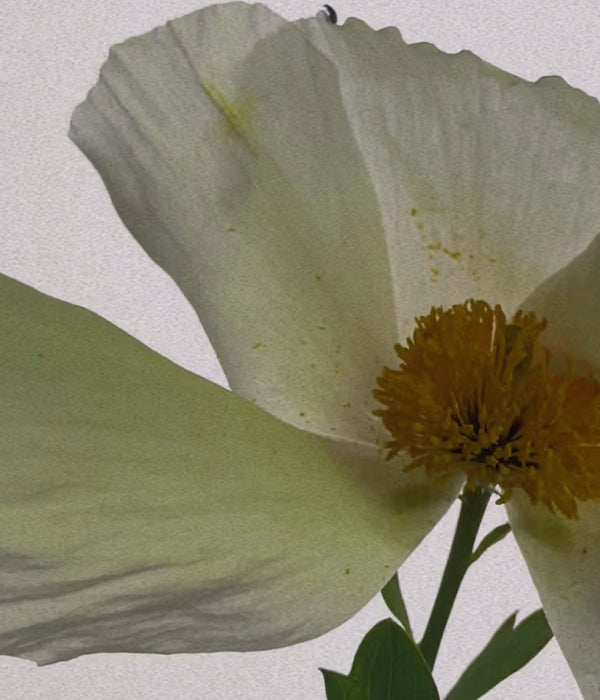
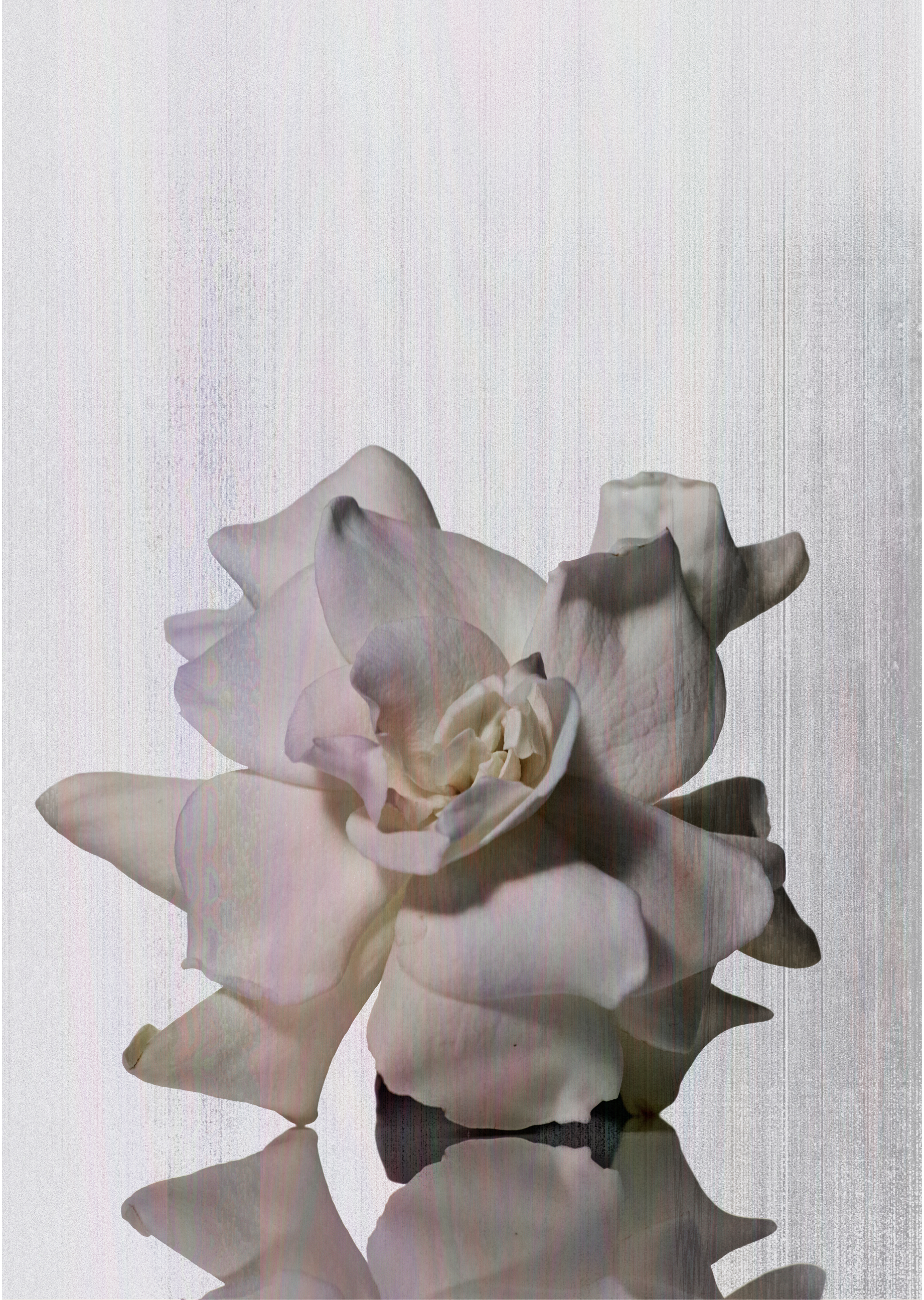
Another flower that doesn’t give up its oil (except via old fashioned enfleurage methods that we no longer use much). I use a gardenia base I built over the course of 2 weeks—copying a blooming plant I owned in 2017 (it died in 2019). It is creamy, tropical, & multi-faceted. It recalls tropics but also Fred Astaire’s elegant lapel.
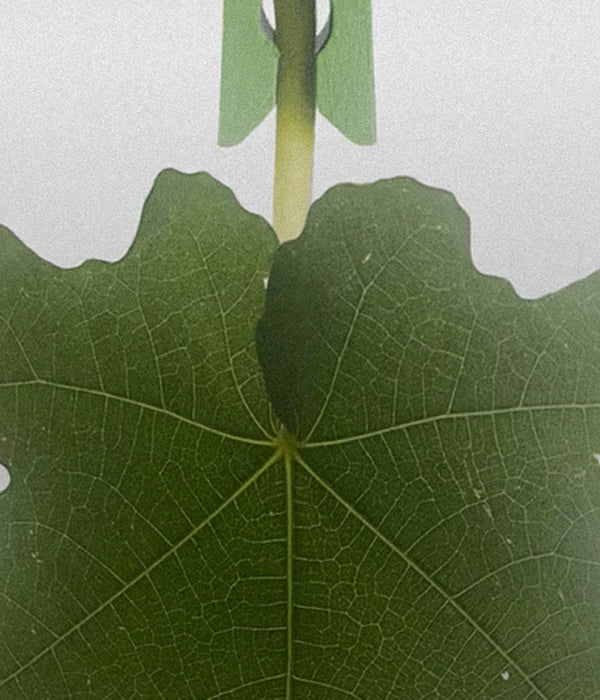
Fresh, earthy, rose and lemon. Its green top notes help announce “plants!” among other green ideas—grass, garden, field, and fresh.
Ginger
Ginger oils are super strong and spicy. They provide wonderful tropical warmth to flowers, incense, ouds, etc. Some varieties have a revolting onion note that can be useful to wile out.
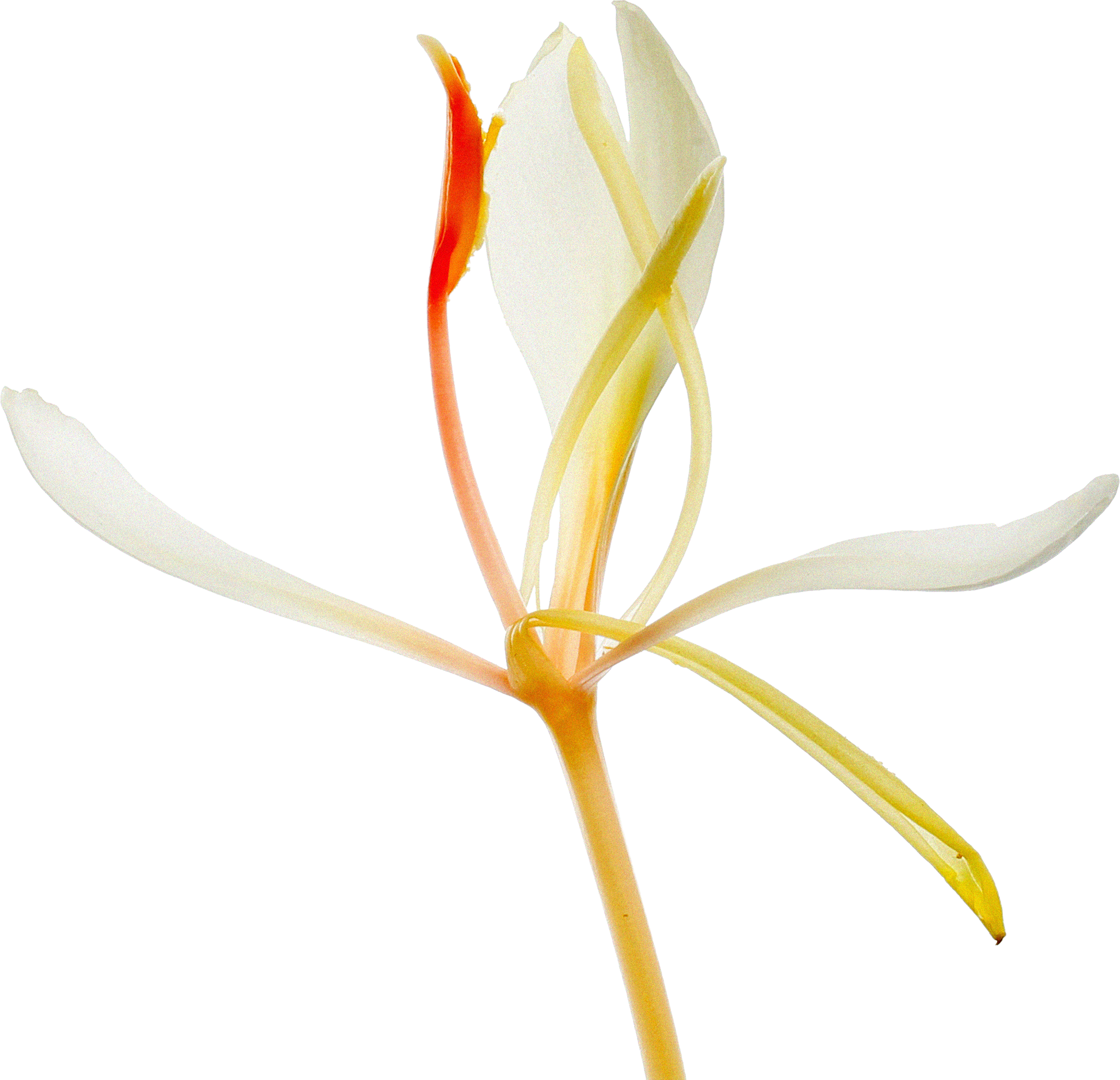
Ginger Lily
Ginger lily oil is a a spicy, balmy floral absolute with dark depth. It is humid, dirty and smells almost underground.
Effervescent top note with wonderful floralcy. Screams pink or yellow and sustains freshness.
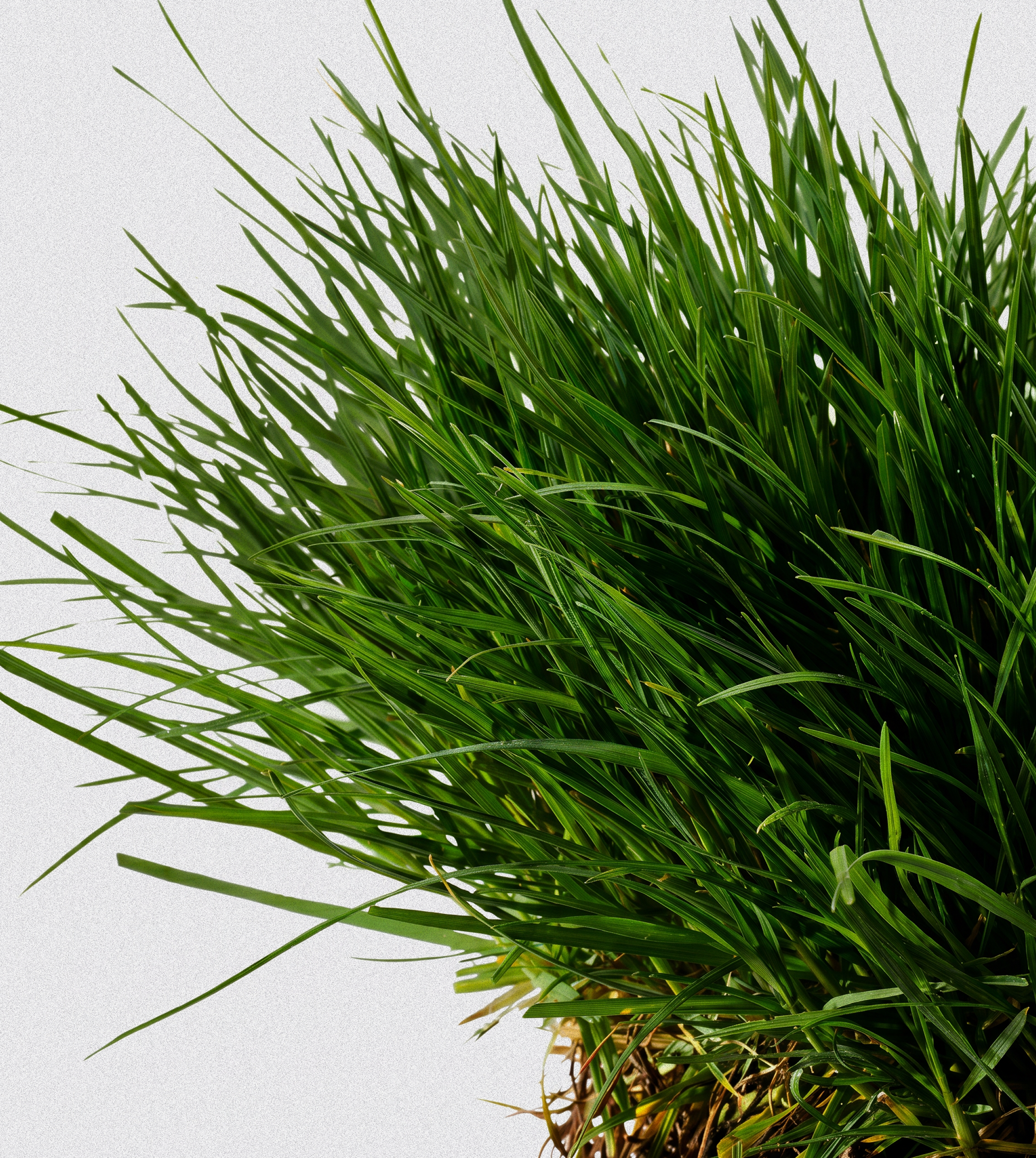
Grass
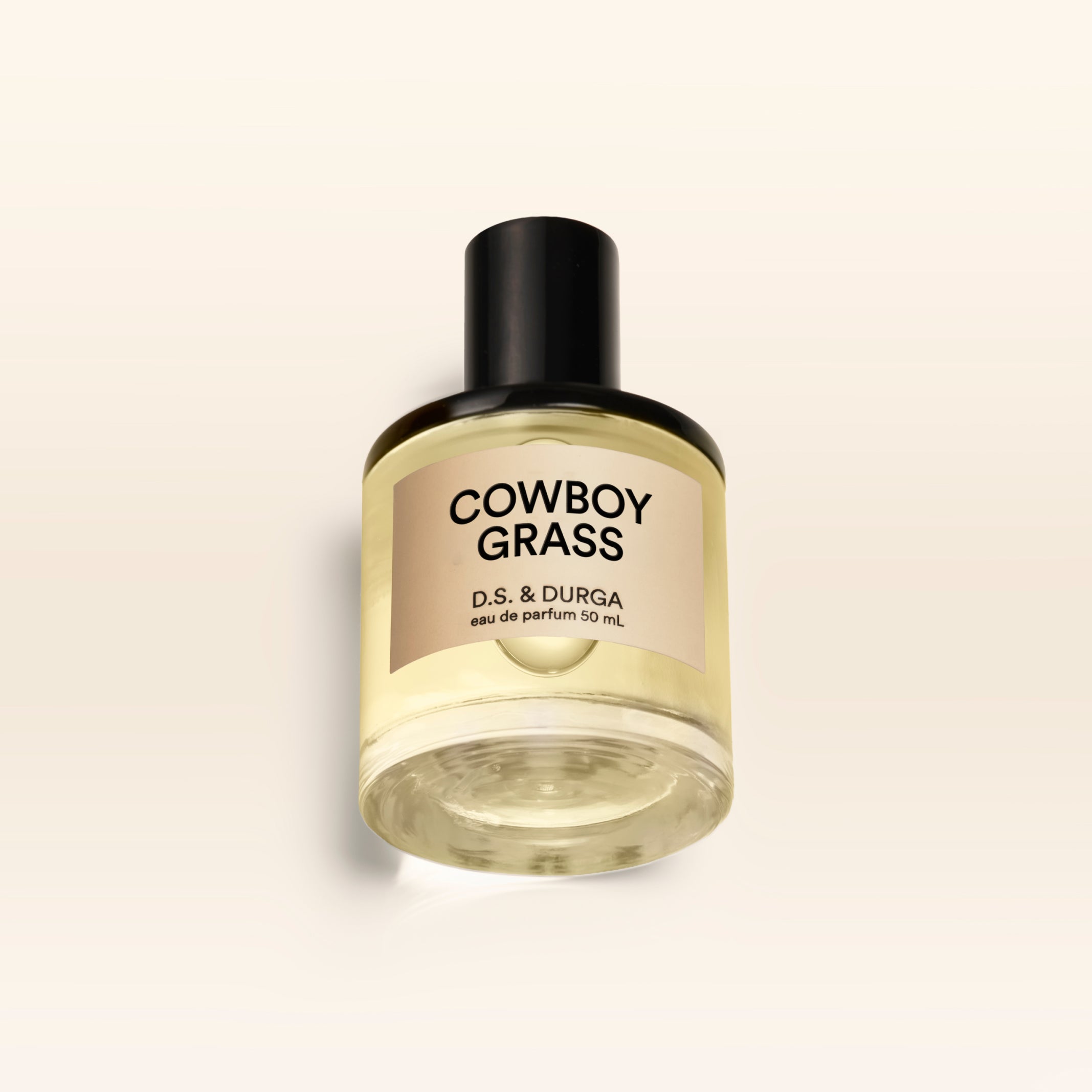
Grassy molecules provide the perfumer with realistic greens that can help speak of landscapes or boost flowers, chypres, and anything that wants to say “green”.
Grassy molecules provide the perfumer with realistic greens that can help speak of landscapes or boost flowers, chypres, and anything that wants to say “green”.
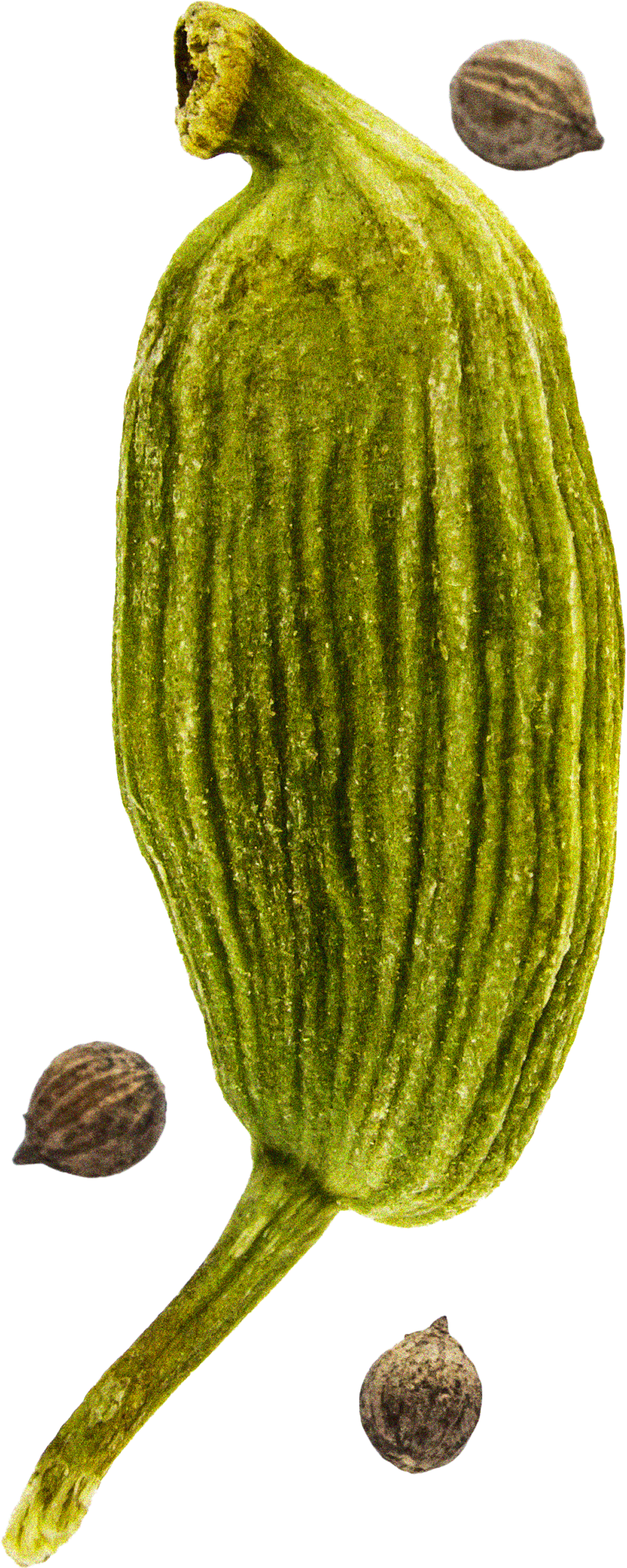
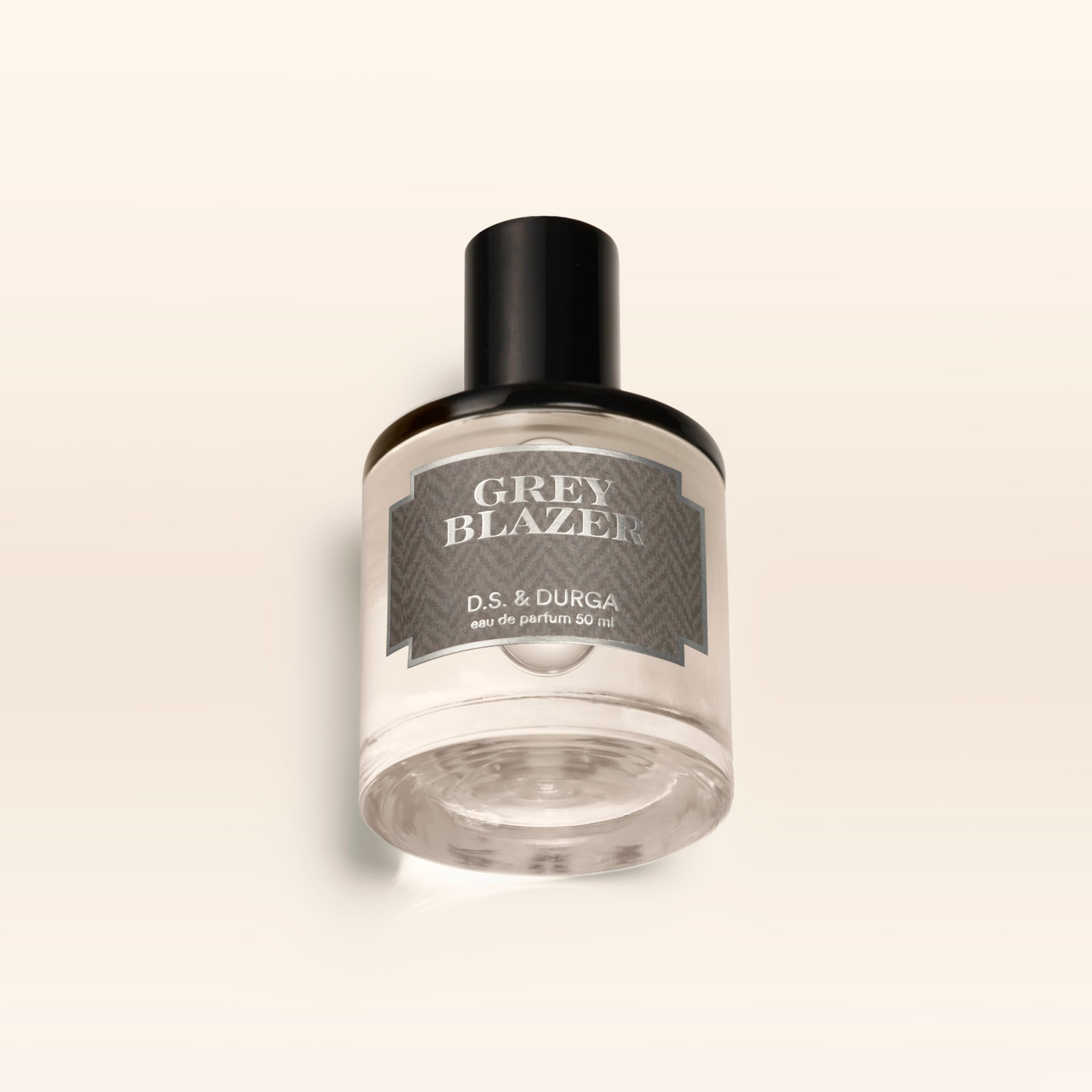
A fresh, bracing combination of coriander, cardamom, and green pepper that puts a pep in all steps taken after spraying Grey Blazer. Perfect when paired with bright citrus.
An accord of wild flowers found all over Ireland - yellow iris, sea pinks, thistle, and geranium. It provides a floral contrast to the woods, spices, and wool of Grey Blazer.
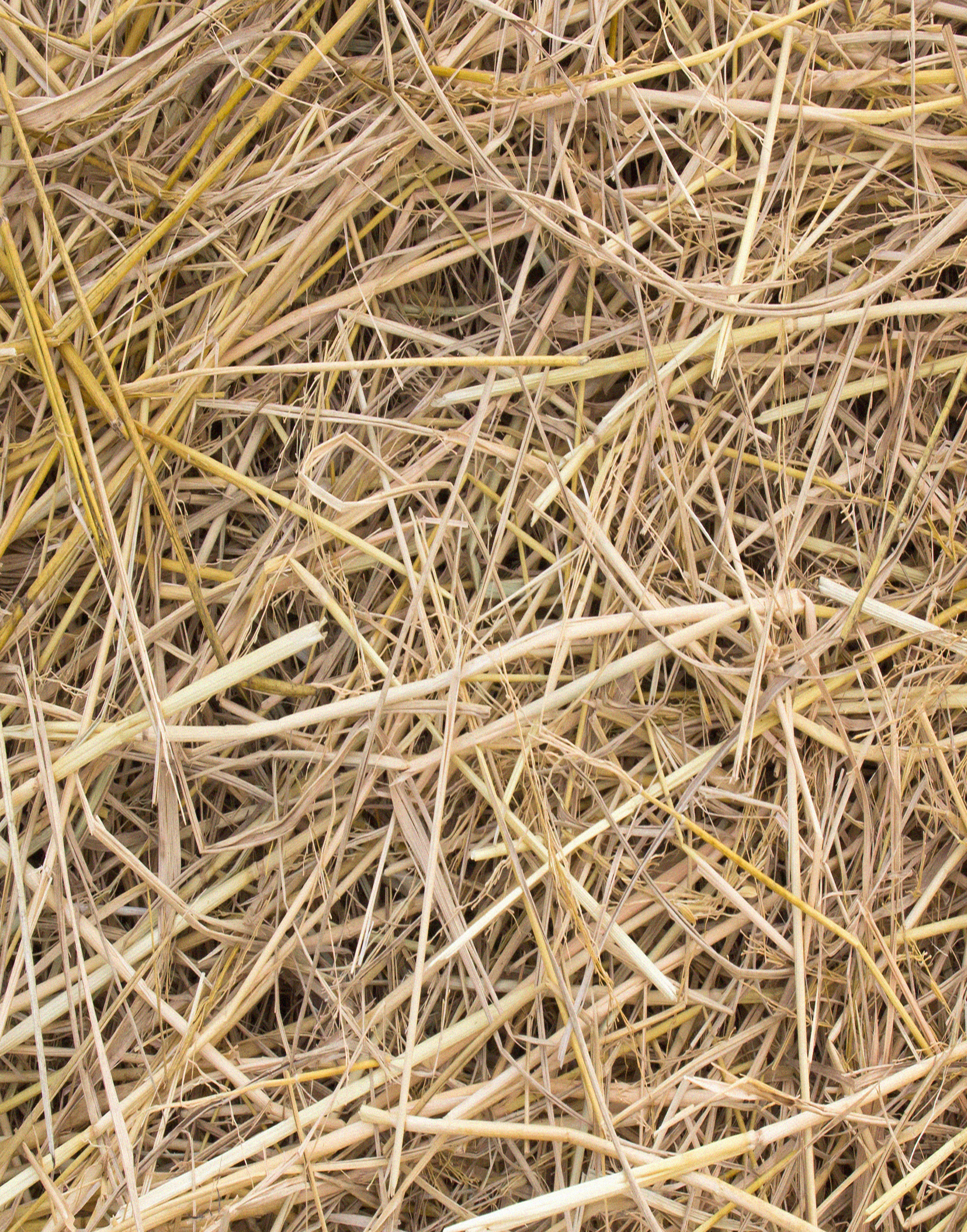
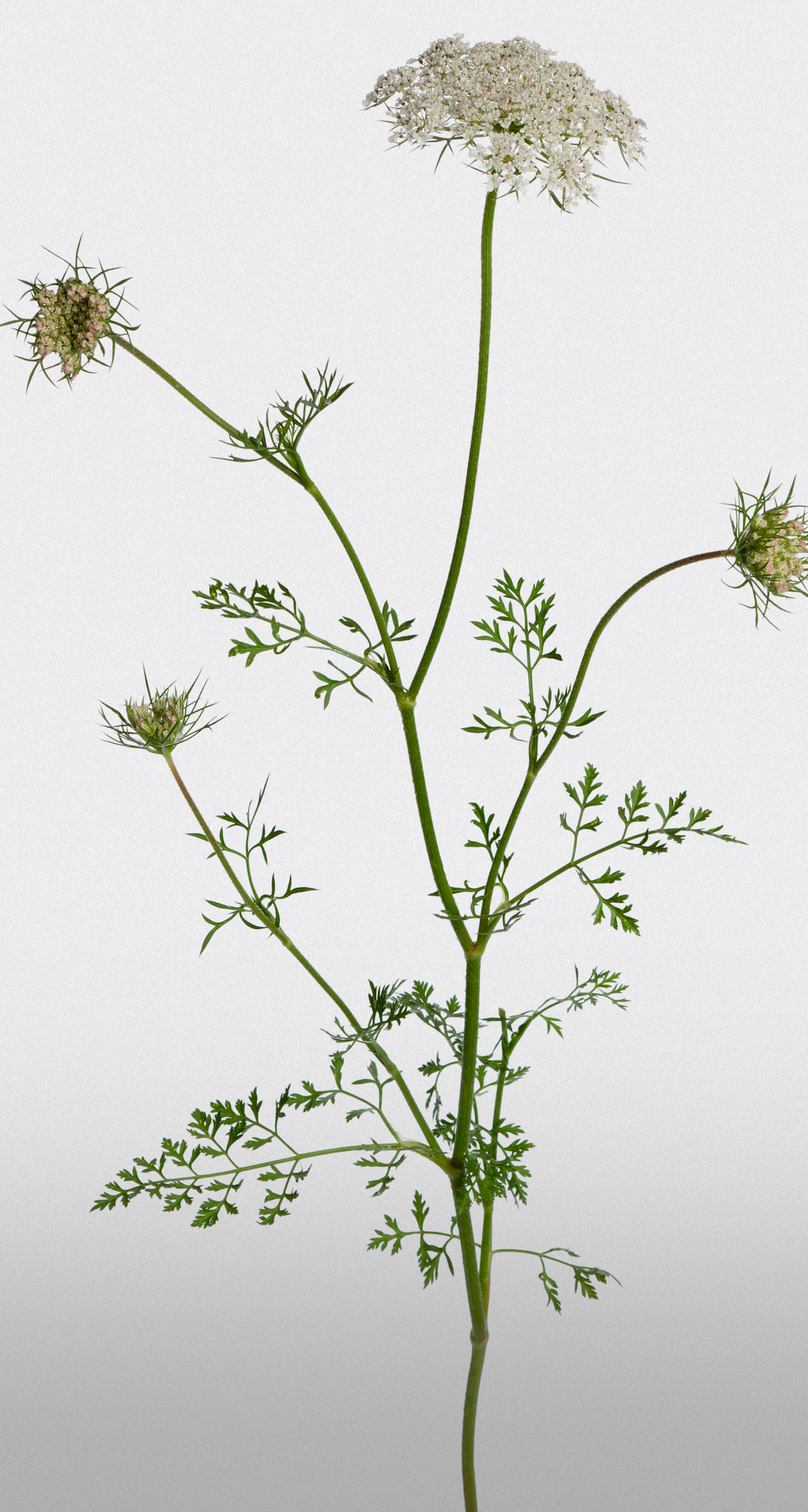
Dank sweetness with overtones of flowers & fields.
Honeysuckle
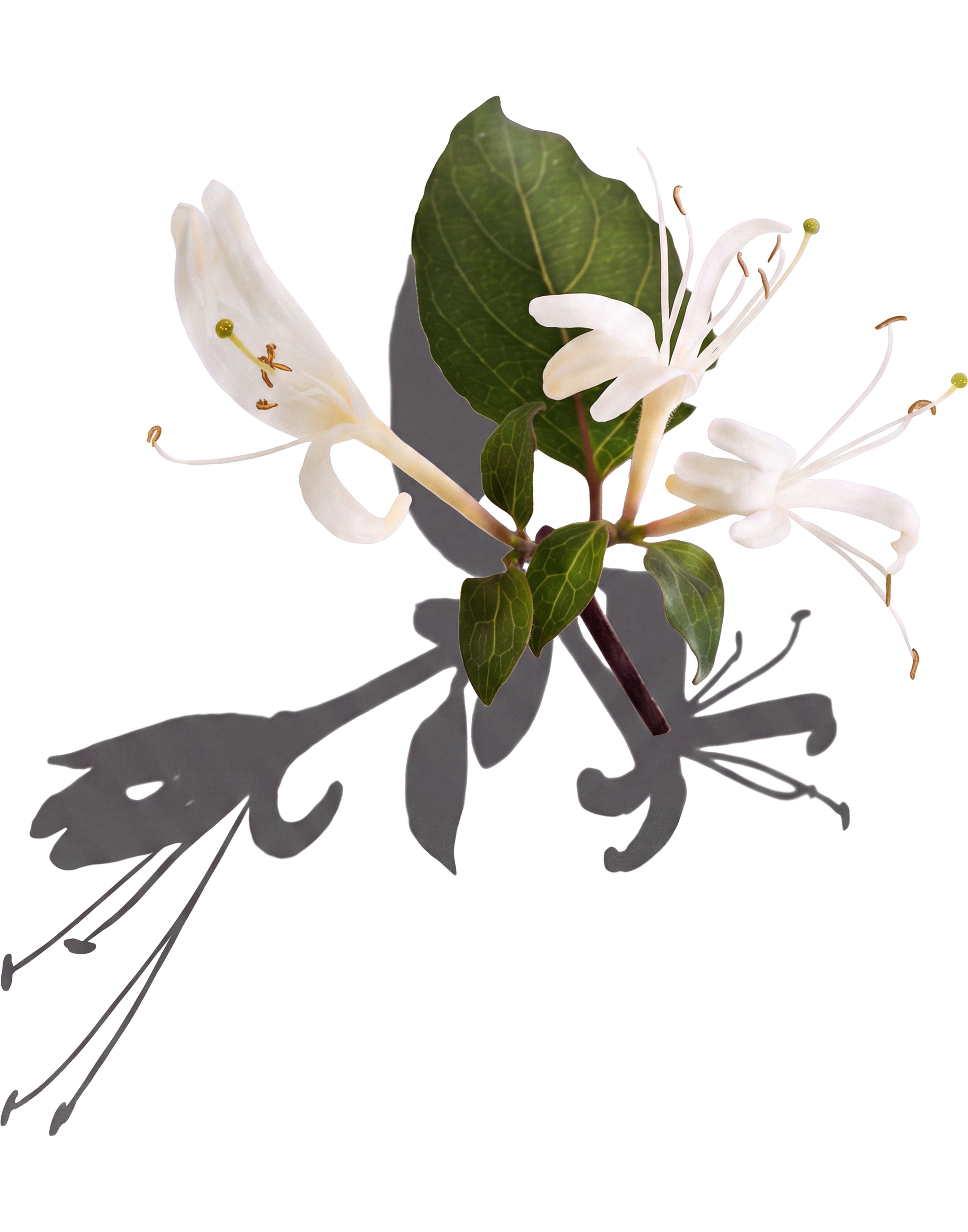
One of the most beautiful aromas on the planet. Honeysuckle is a complex accord to build - it contains shades of lemon, peach, jasmine, rose, coconut, and more.
Our generic term for burning perfumes “incense” comes for the common name for Olibanum: Frankincense (from various Boswellia plants in the family Burseraceae). Frankincense features heavily in ancient religion —Egyptian, Hebrew, Christian, Greek, and others. The bark of 10-year-old trees are cut, allowing the resin to bleed and form “tears.” These tears can be dissolved in a common solvent and used as base note (producing a balsamic orange amber note) or distilled for a complex citrus, smoky pine aroma in the top note section of a perfume.
Iso E Super
Everyone’s favorite aromachemical. Pour over anything to give radiance and presence. It softens, fills, and gives a “skin” effect. Warm and ambery like patchouli with all trace of its aromatic profile sucked out. Left with the ghost of otherworldly radiance. As it ages it can take on a useful coffee note.
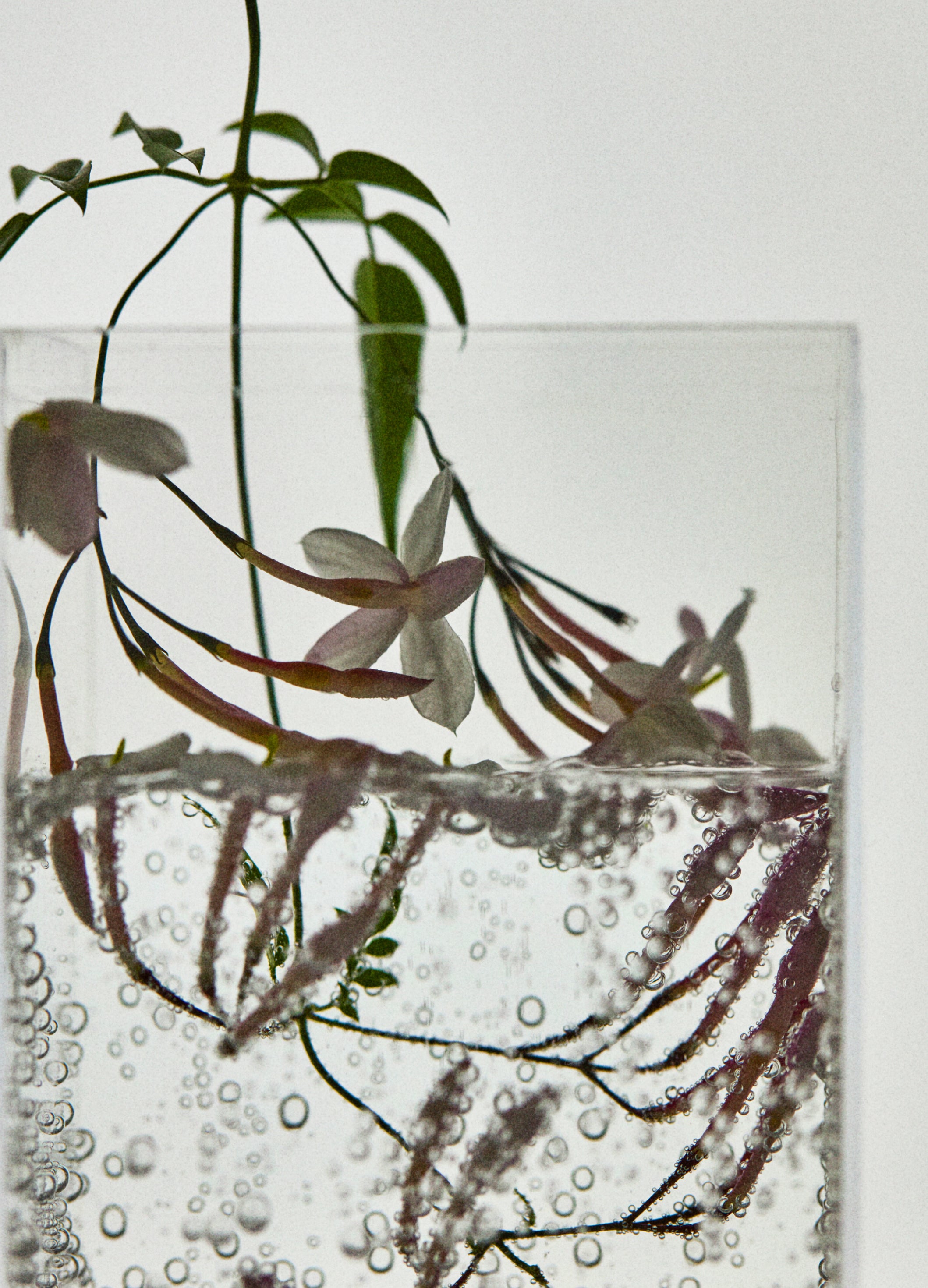
The ultimate perfume material. Jasmine can blend and elevate anything it touches. Jasmine grandiflorum is pure class—green, sugar, overripe, beyond rich. Truly kaleidoscopic. Jasmine sambac is more vegetal, aquatic, and indolic.
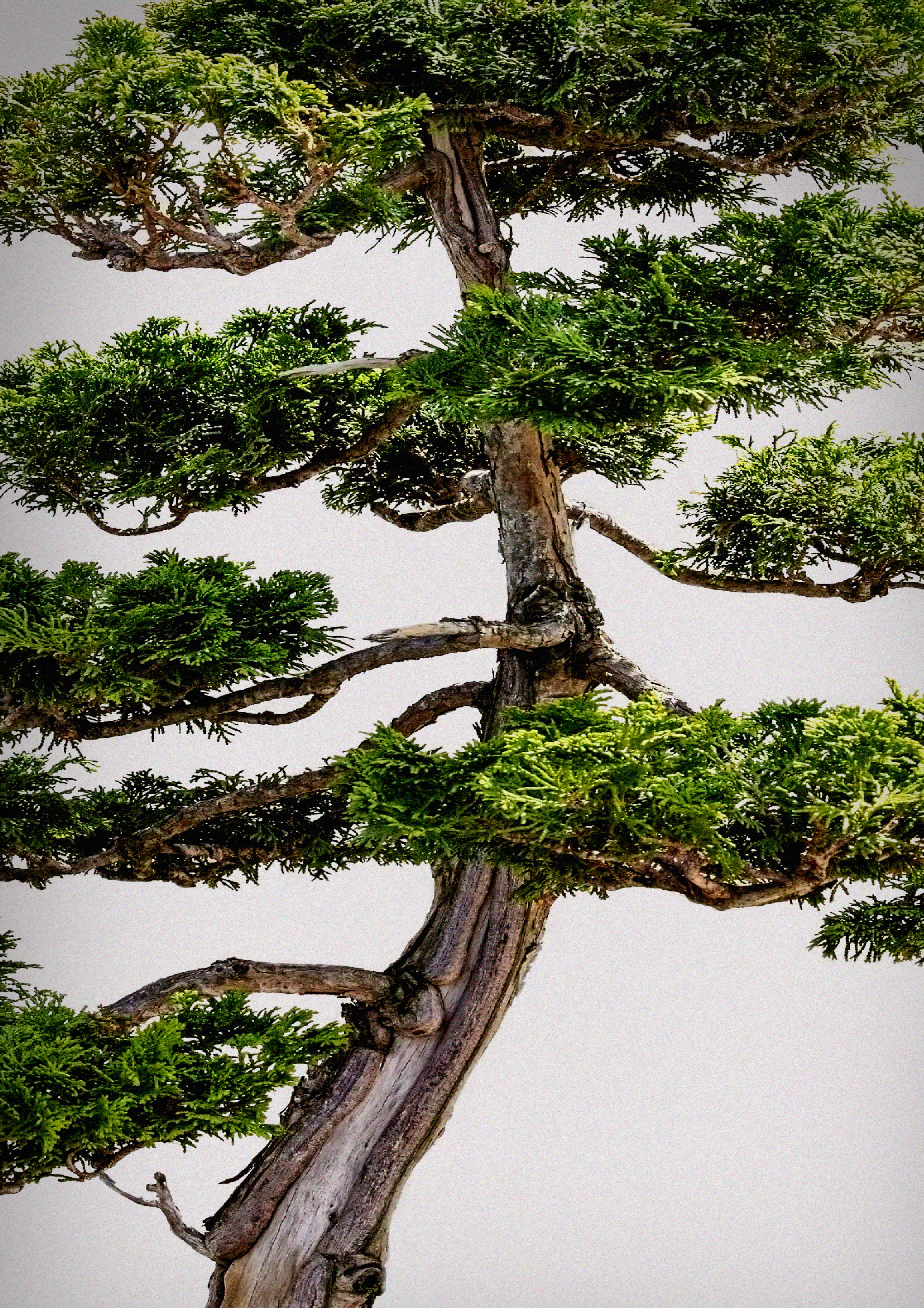
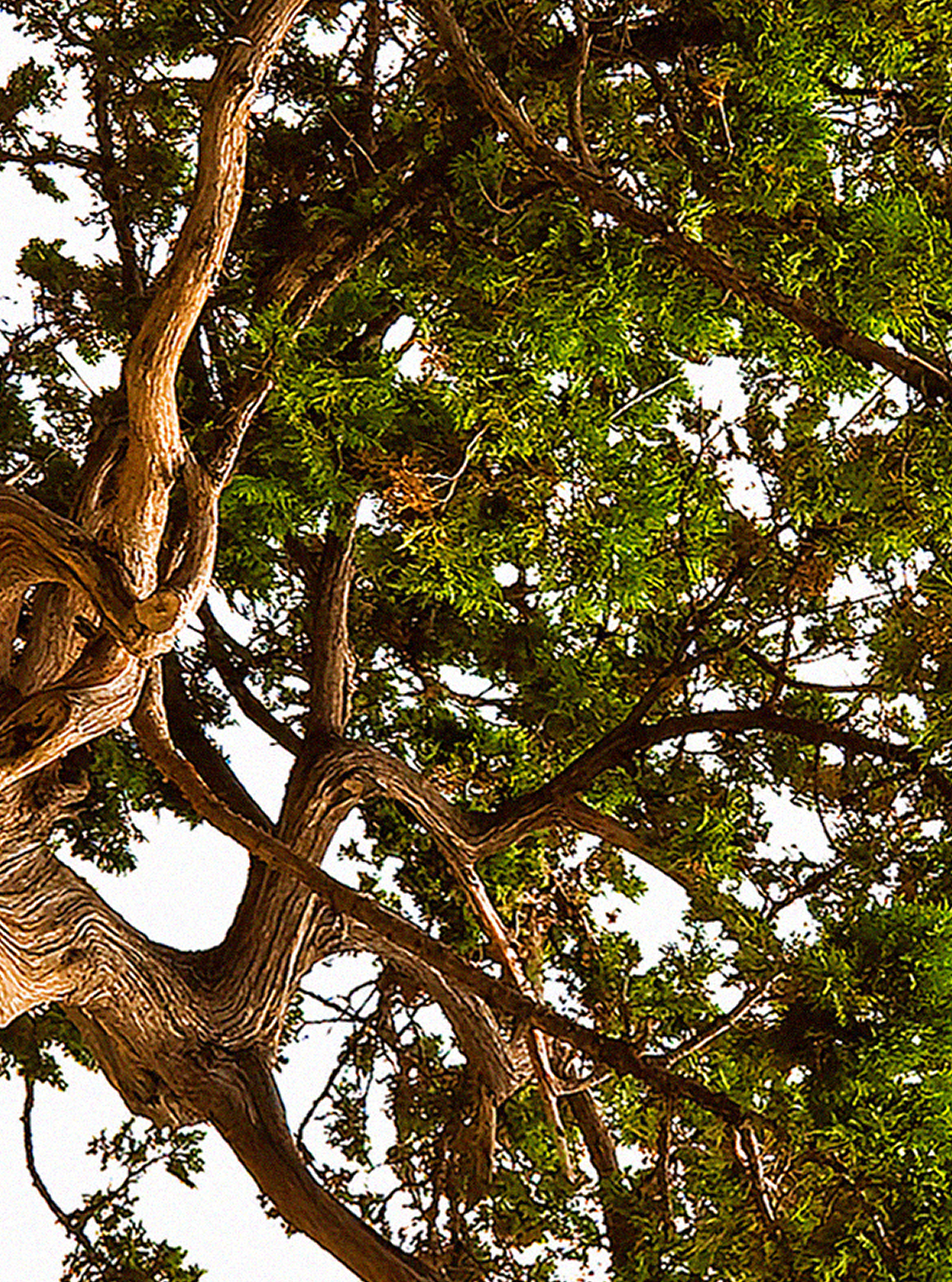
Juniper berries provide antique wood notes, and a jammy shade of pine. They are fresh, bracing, and bring our minds out into the country, One of the oldest species around!
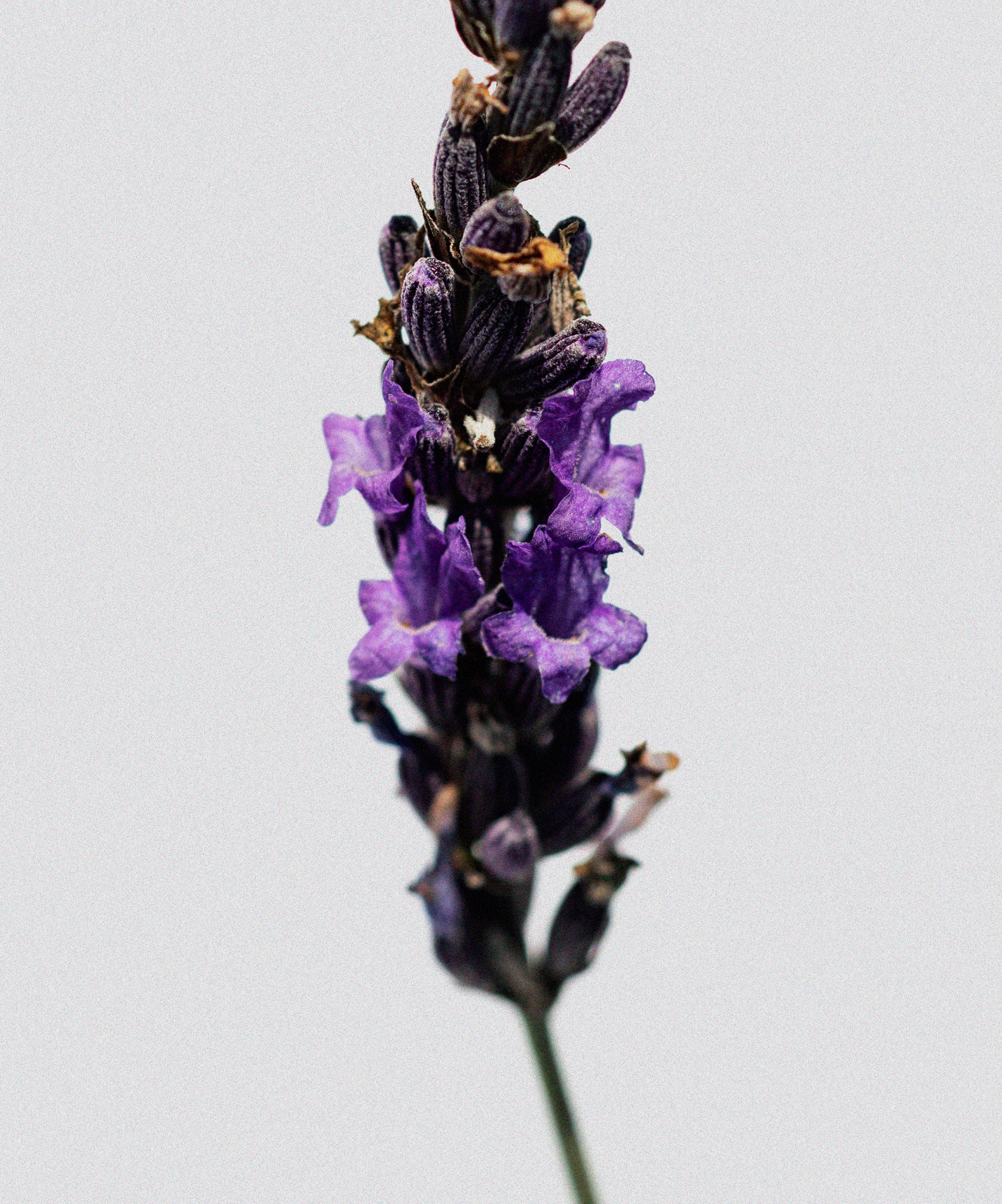
Ubiquitous clean flowery herb famous in soaps and perfumes. There are many varieties—some floral, others green and bitter like rosemary. Solvent extraction brings out a deep grassy hay and vegetal absolute.
Animalic and timeless. These days we use synthetic vegan reconstructions. Leather can be versatile as it ranges from clean butterscotch, to horses, to stinky animalics.