Also called bigrade, this oil is pressed or distilled from the fruit of the same tree that gives us orange blossoms. It is juicy and ahem, bitter and sings in the top of fragrances with a European flair.
Black Currant
Dark berries with a rich aggressive vegetal bite and winey fruity sage aroma. Mysterious.
Bog Cedar
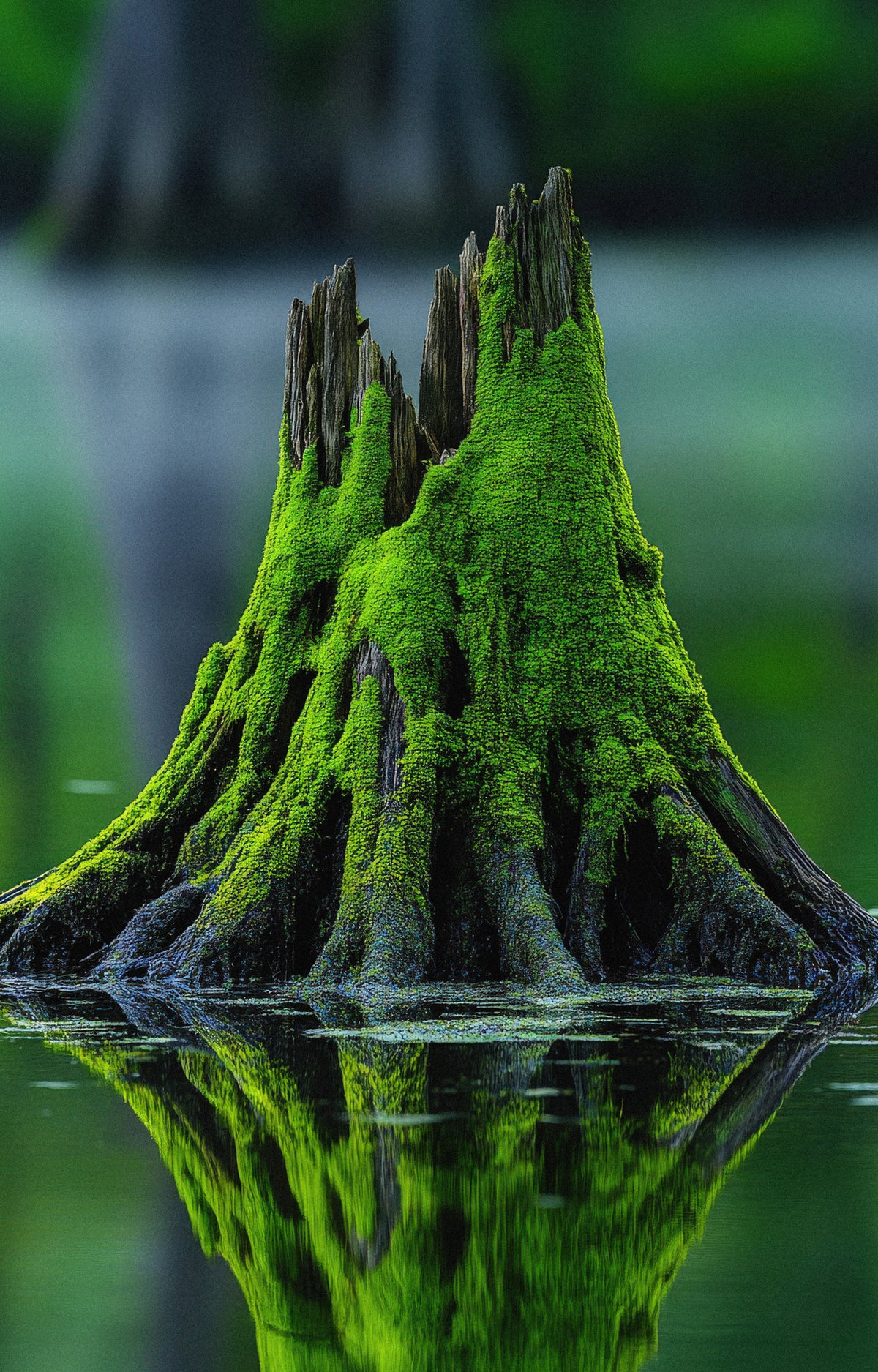
Water resistant Atlantic White Cedar thrives in swampy, boglands of the Northeast. Experienced in its natural environment, it gives a contrast of wet Earth and dry clean wood.
Butterscotch leather
null
Cade
Smoky deep meaty wood. Bacon conifer. Rich. Can be used to smell of faraway winter blazes. Can be cleaned for use in oak accords and leather.
Caramalized Bergamot
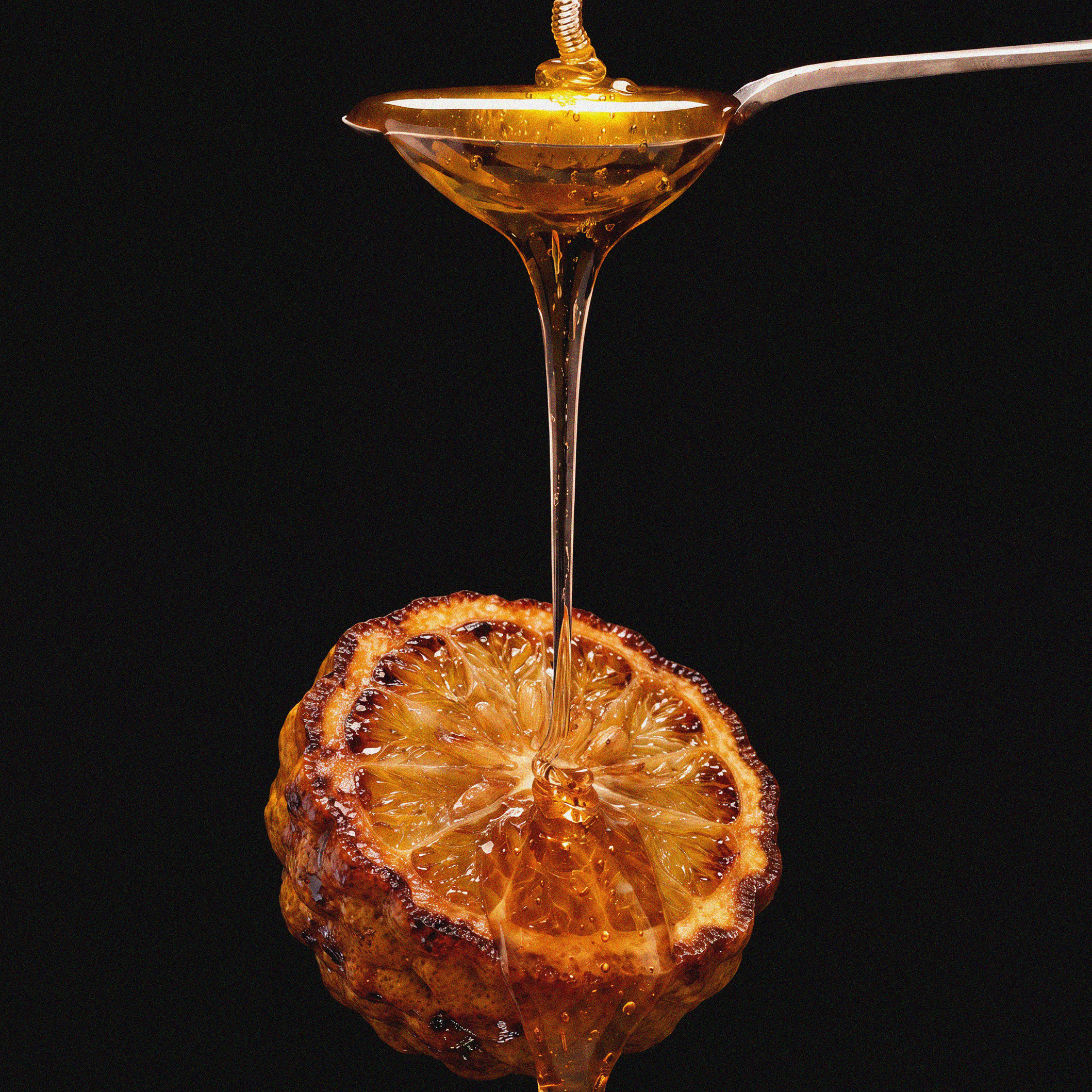
Bergamot peels cooked down and sweetened for fine caramel facets.
Green piney spice with sweet eucalyptus vibes. A gourmand note common in Indian and Nordic deserts.
Carnation
A spicy flower with a deep powdery heart like pink sugar.
Cascarilla Bark
South American wood that smells of fine teak, pepper, and roses. Extremely rare and expensive, but probably one of the five best smelling single oils on the planet.
Castoreum
We only use synthetic reconstitutions for ethical reasons. Castoreum smells like wolves’ bait used in trapping—which is to say fermented feces and leather tanning. The synthetic is decidedly more leather—richer dark brown and mahogany. Fancy jazz age elegance, horses, upholstery, gloves, cars.
Cedar
There are many cedar oils crucial to a perfumer’s pallet. The wood of Virginia is fine, warm and dry. Texas is pinier. Chinese is smokier. Many molecules mimic various parts of the wood. The leaves of red cedar give us the fruity, sinewy thuja aroma which is nice in small doses.
Shop Cedar
Sold out
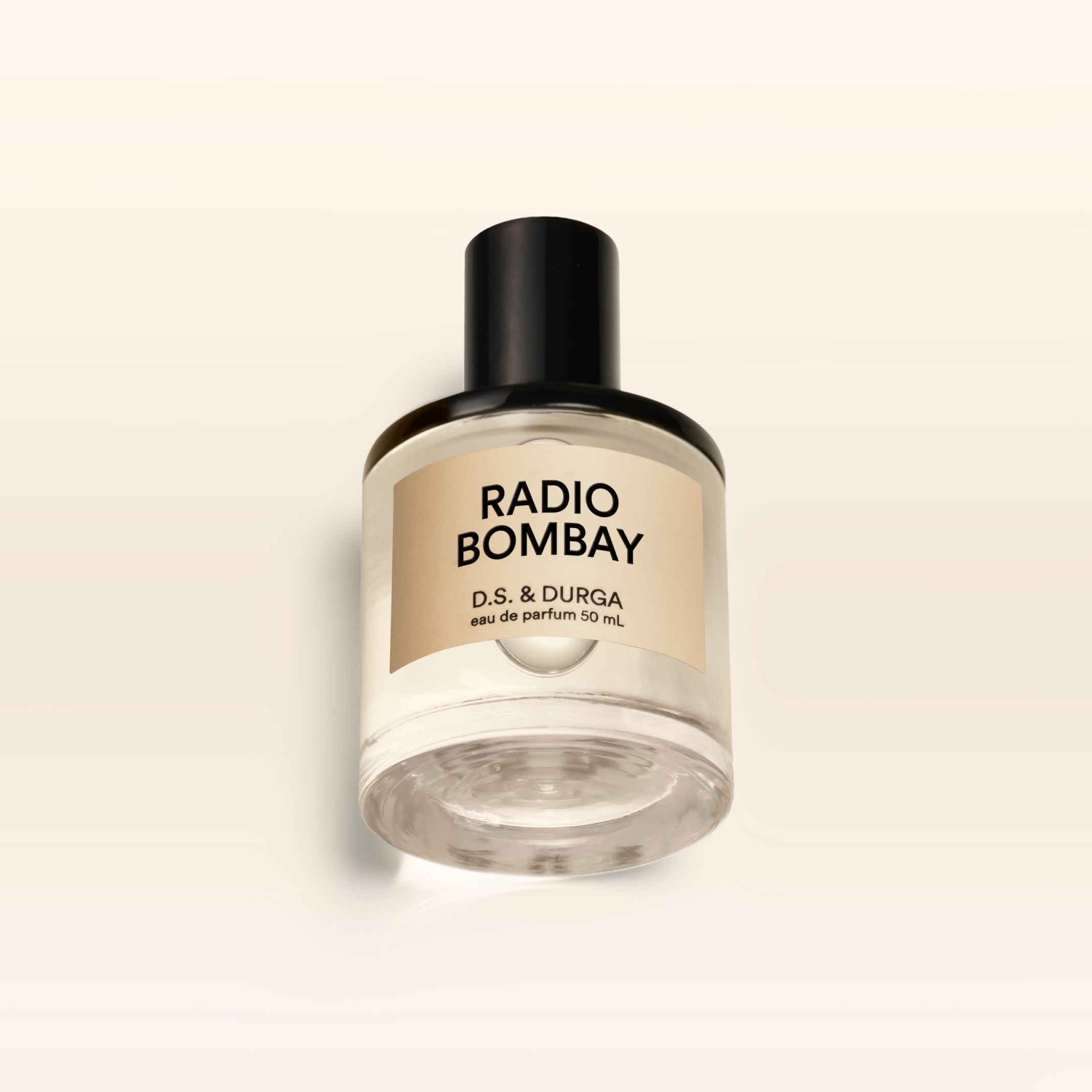
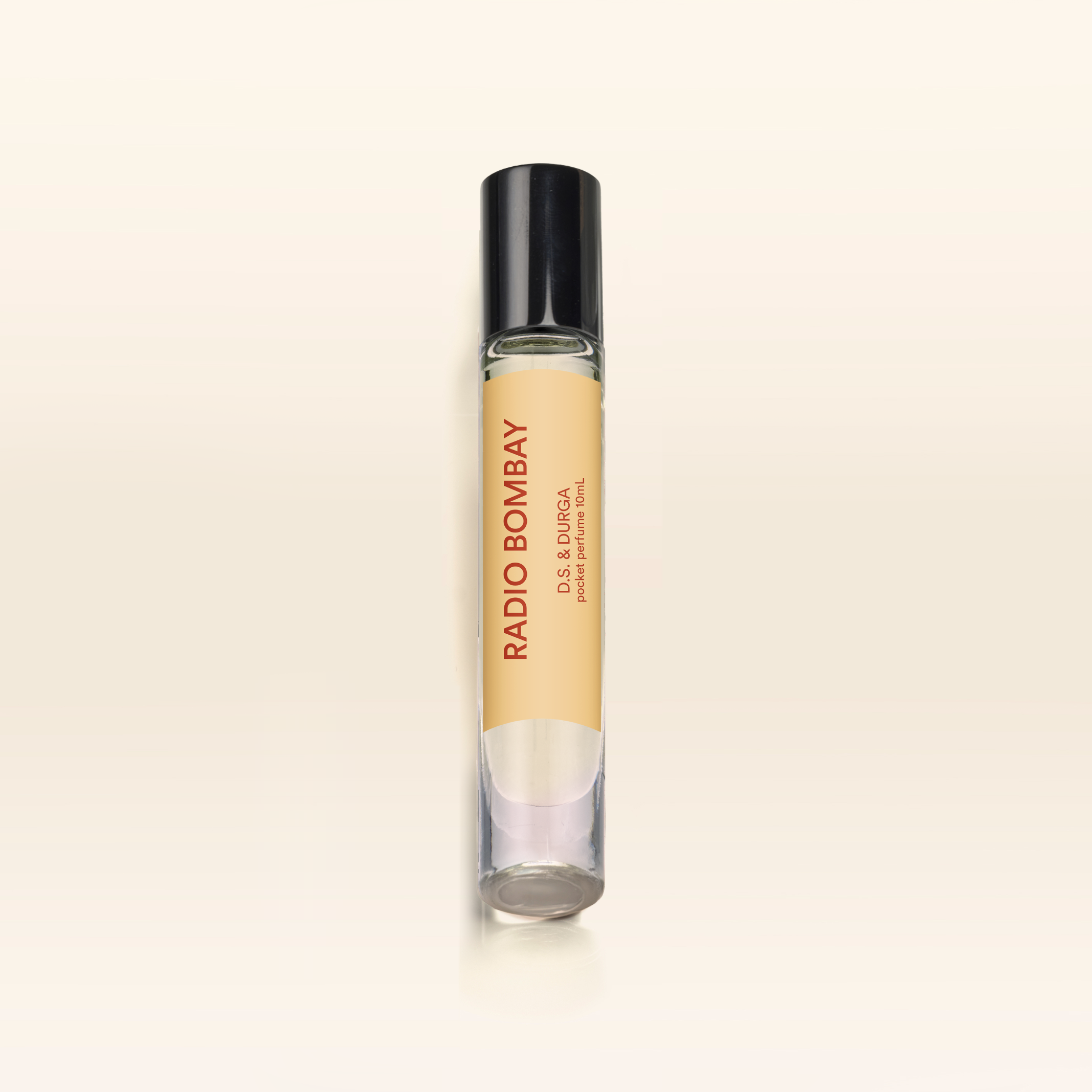
Eau de ParfumRadio BombayRadiant sandalwood & copper
This molecule is everywhere. It is beautiful and powdery and like ambrox can be used for almost everything. Ambroxan has a greener herbal (minty) shade in the drydown compared to Ambrox.
Cinnamon
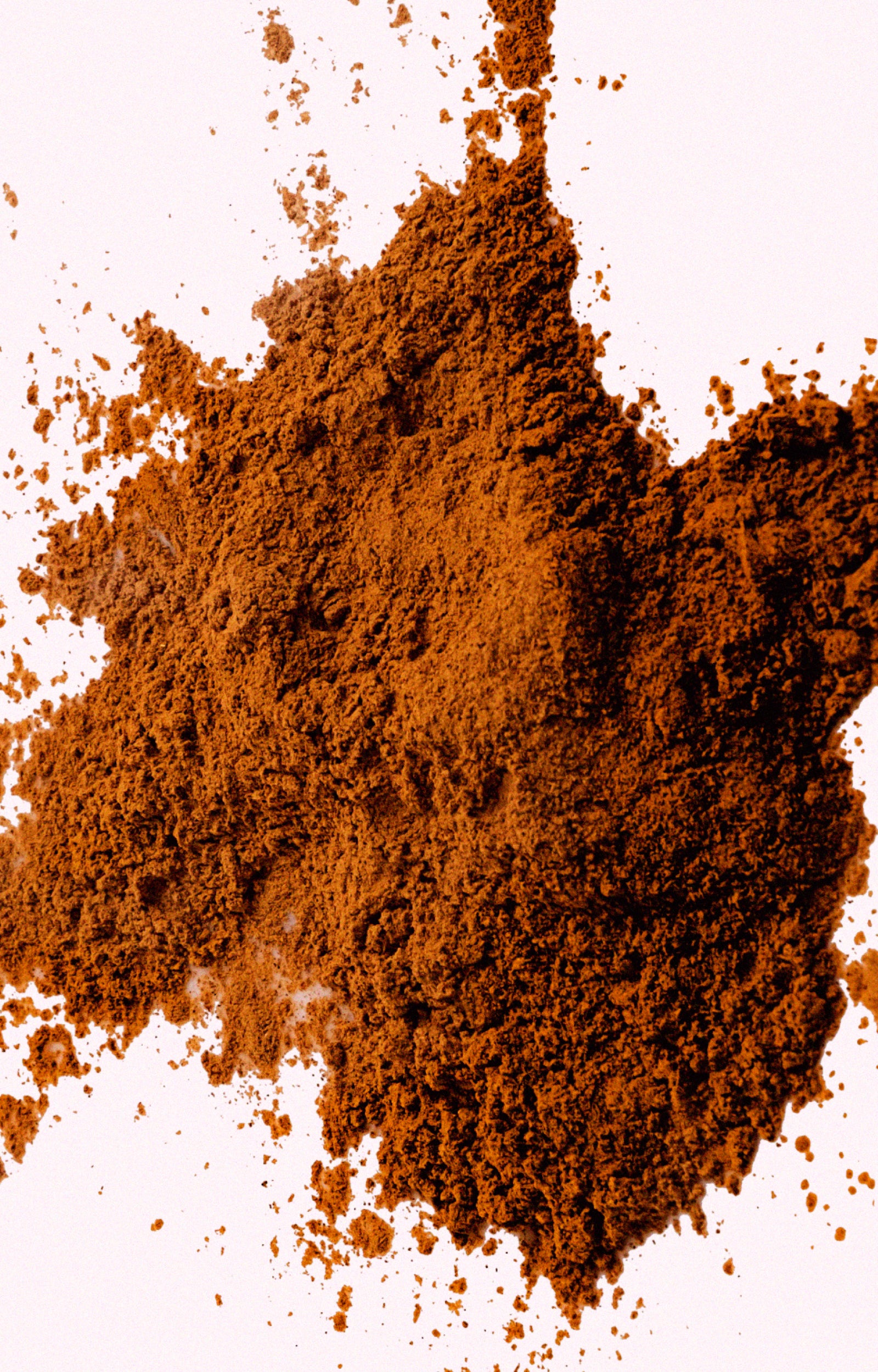
Comforting and familiar, fine qualities of cinnamon give a powerfully warm edge to spicy and woody perfumes.
The Mediterranean shrub rock rose is called “cistus” when the whole plant is distilled or extracted. The same plant produces a resin perfumers readily use called “labdanum” which is oft made into an absolute. Cistus distilled is a spicy leathery amber top note. Labdanum is spicy and herbaceous (dill), with a more animalic-conifer overtone than other ambers. Essential to the perfume genre “chypre” (bergamot, oakmoss, labdanum).
Civet
I only use synthetic reconstitutions for ethical reasons. The real stuff is scraped from a tortured mongoose’s nether regions. Our reconstructions have all the fecal power that lend richness and beauty to flowers, amber, ouds and the like. Disgusting in small doses but has its own beauty.
A wild herb native to the Mediterranean reportedly used to cure weird eye situations in older times. Its powdery green airy herbaceousness recalls grasslands and gardens.
Clove
Dark spice that contains eugenol —an important frosty building block to many flowers such as rose, lily, and carnation. 90s cool kid cigarette vibes too.
Clover
Clover is grassy green, but its flower smells like wet frosty white flowers in the breeze. An absolute of the plant is hay-like and sugary.
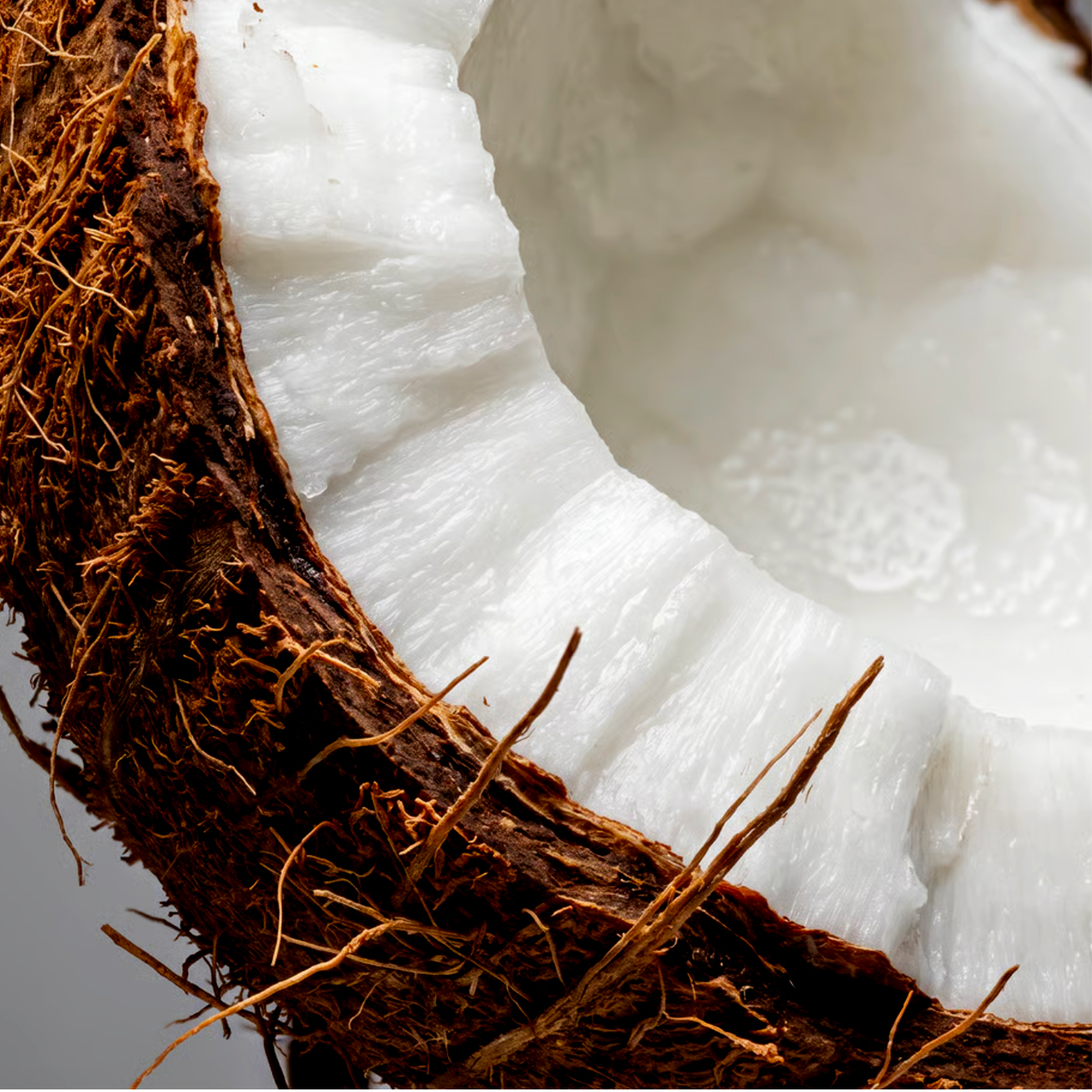
Coconut
Coconut is a lactonic, sweet fatty accord that we use to recall islands and the tropics. It works well with tropical flowers and harmonizes well with woods.
A ubiquitous aroma to most of the world, the roasted quality of coffee is interesting if not dominating in gourmand fragrances. Coffee flower oil is a buttery tropical aroma like dark ylang. Very rare.